
Flexible operating models
Choose the level of ownership your business needs.
CallServ can manage the operation end to end, build a dedicated team inside your processes or provide controlled capacity for pilots, overflow and demand peaks. Every engagement starts with clear responsibilities, measures and launch gates.
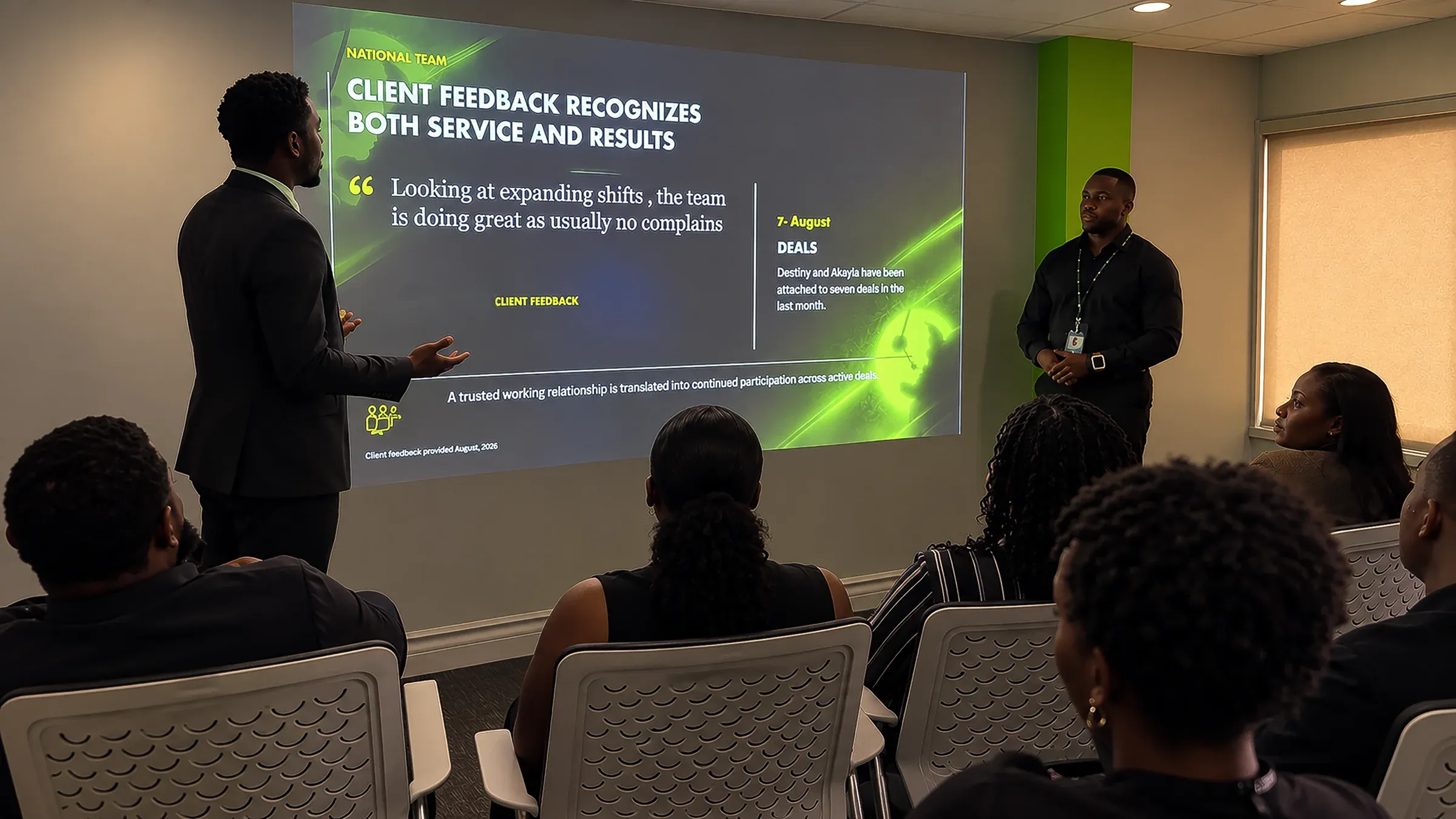
Three operating models
Managed Customer Operations
CallServ recruits, trains and manages the team, including workforce planning, quality, reporting, coaching and daily delivery against agreed outcomes. Best for organisations that want a single accountable operating partner.
Dedicated Team
A ring-fenced team operates as an extension of your business in approved systems and procedures, supported by shared governance and clear performance ownership. Best for sustained workloads that require brand depth and exclusive capacity.
Flexible Capacity
Shared or blended capacity supports controlled pilots, seasonal demand, after-hours coverage, overflow or specific work queues within agreed schedules, minimum commitments and escalation rules.
Operating model comparison
| Decision area | Managed operations | Dedicated team | Flexible capacity |
|---|---|---|---|
| Day-to-day management | CallServ-led | CallServ-led with client governance | Defined by the assignment |
| Capacity | Program-specific | Exclusive / ring-fenced | Shared or blended |
| Training | Joint design; CallServ delivery | Joint design and ongoing calibration | Task-specific readiness |
| WFM and QA | Included in managed scope | Shared governance | Defined service-level controls |
| Best fit | End-to-end accountability | Stable scale and deep brand integration | Pilots, peaks, overflow and extended hours |
| Commercial detail | Scope-based | Reserved capacity | Minimums and usage rules apply |
Launch process
From discovery to scale - with a decision gate at every stage.
1. Understand & Align
Confirm business goals, customer journeys, channels, volumes, operating hours, service levels, systems, risks and success measures.
2. Design the Solution
Define the operating model, team structure, responsibility matrix, workflows, reporting cadence, data handling and launch plan.
3. Recruit & Configure
Source program-fit talent, provision approved access, configure workflows and prepare knowledge, quality and workforce controls.
4. Train & Test
Train to the brand and process, run simulations, calibrate quality, validate reporting and close readiness gaps before production.
5. Launch, Optimize & Expand
Move into controlled production, review performance, coach to evidence and scale only after the workflow is stable.
Governance rhythm
Stay close to the operation without managing every detail.
CallServ establishes an operating rhythm around daily visibility, weekly action and monthly business review. The exact cadence, participants and measures are agreed for the program.
The operating rhythm
- Daily operational visibility for volume, staffing, service and exceptions
- Weekly performance review covering KPIs, quality, attendance and actions
- Monthly business review connecting trends, risks, improvements and capacity needs
- Formal change control for material workflow, system, access or scope changes
Shared responsibility
Clear ownership prevents launch risk.
CallServ owns the services and controls assigned in the contract and operating plan. Clients remain responsible for timely decisions, approved content, system permissions, legal instructions and any controls retained inside client-managed platforms.
Common procurement questions
How quickly can CallServ launch?
Timing depends on role complexity, headcount, screening, systems, training and client approvals. A dated launch plan is provided after discovery; no universal timeline is promised before scope validation.
Can we use our own systems and SOPs?
Yes. CallServ can operate in client-approved systems and procedures where access, security, licensing and support responsibilities are confirmed.
Can the model change after launch?
Yes. Capacity and management scope can evolve through agreed change control after performance, staffing and commercial impacts are assessed.
How are KPIs selected?
Definitions, baselines, exclusions, reporting periods, evidence sources and owners are agreed before external targets are adopted.
Start with the operating model that fits now - and design room to scale.
Share your workload, channels, operating hours, forecast, systems and target outcomes. CallServ will return a recommended team and governance structure for discussion.